


Academic integrity is the foundation of scientific activity in the world. During publication, scientific and research activities, every scientist is obliged to adhere to its main principles and rules. Academic integrity is one of the key factors determining the quality of research and science as a whole. What is academic integrity? What are its main principles and rules? Let's have a look in our article today.
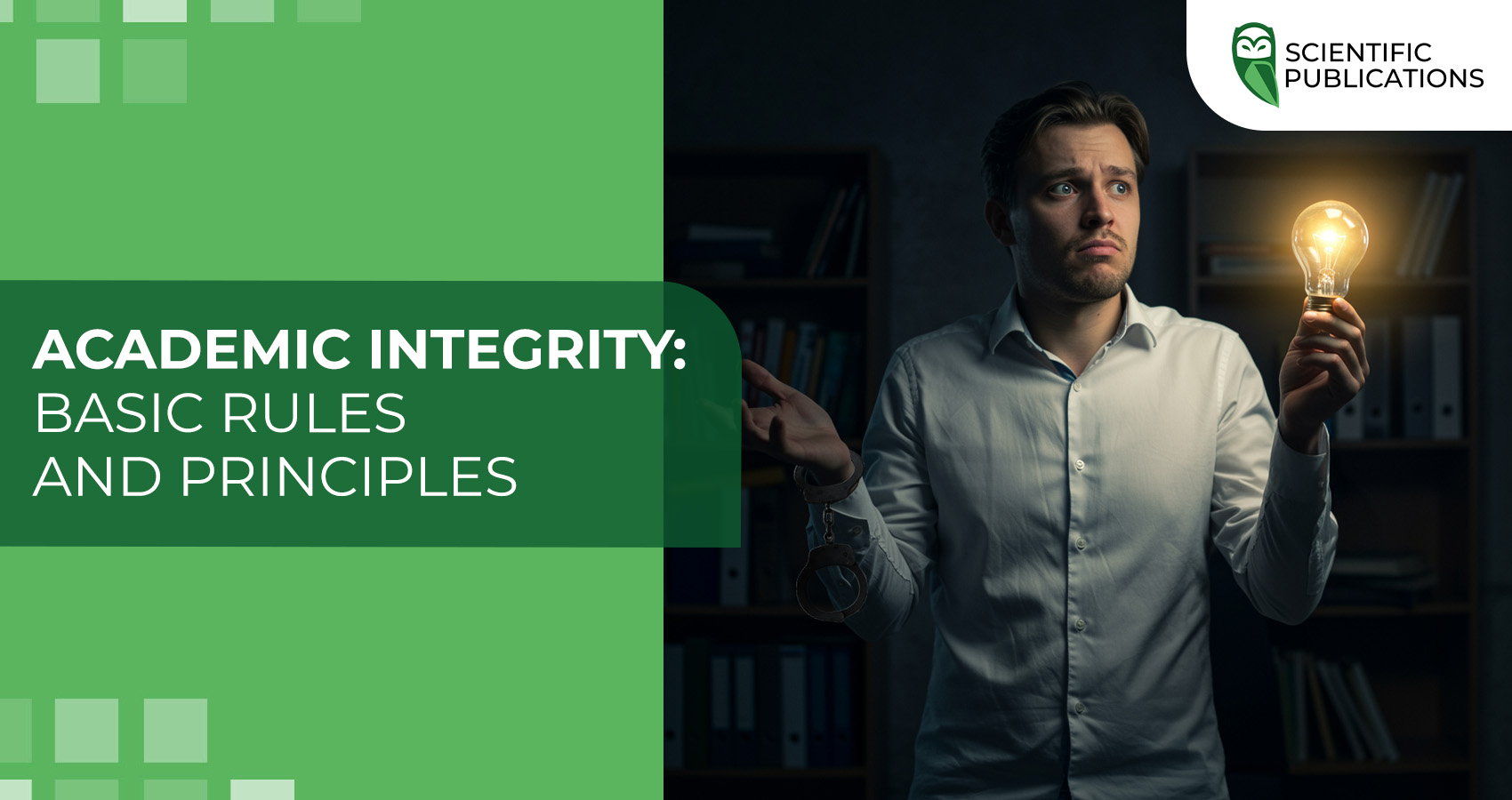
In Latvia, academic integrity is considered a fundamental component of the educational and scientific environment. Using the example of the University of Latvia, we will have a closer look at the issue of academic integrity.
What is academic integrity?
According to an official document of the University of Latvia (hereinafter referred to as the Regulations), academic integrity is a system of ethical and professional principles based on impartiality, responsibility, mutual respect and trust. It aims to prevent cheating and fraud, as well as to maintain high quality education and science in the Republic of Latvia.
According to this document, the core values of academic integrity include:
- Honesty. Every student, teacher or researcher must present the results of their work truthfully, without appropriating the achievements of others.
- Trust. This means confidence that the results of other people's academic activities have been obtained independently and in accordance with established standards and norms.
- Responsibility. Every member of the academic community is responsible for the results of their activities and for complying with the rules of integrity.
- Objectivity and fairness. The evaluation and review of research results must be carried out impartially.
- Respect for authorship. Proper citation of sources and recognition of the contributions of other researchers is not a formality, but an ethical obligation of every scholar.
Types of academic integrity violations
- plagiarism
- self-plagiarism
- fabrication and falsification of data
- cheating during exams
- biased evaluation
- writing papers by other persons
- unauthorised collaboration
According to the Regulations, violations of academic integrity are divided into the following categories depending on their degree of complexity:
- Undesirable practice (grade 1). A minor unintentional violation committed due to ignorance, which does not have significant consequences for academic activity. The decision on the consequences of undesirable practices is made by the teaching staff or the academic supervisor.
- Serious violation (grade 2). Unacceptable behaviour in an academic environment, which, regardless of intent or scope, has negative consequences. The decision on the consequences of a serious violation is made by the head of the department.
- Serious violation (grade 3). Unacceptable behaviour in an academic environment, carried out with malicious intent and causing significant negative consequences. The decision on the consequences of a serious violation is made by the rector or an authorised person in accordance with the proposal of the dean or the university's academic ethics committee.
Who are the participants in academic integrity?
The participants in the academic integrity system are all subjects of educational and scientific activity, as well as a special academic ethics committee. Students are responsible for completing assignments independently, adhering to citation rules, and preventing cheating during exams. Teachers not only monitor these requirements, but also set an example in shaping the ethical culture of the educational process. The university administration ensures compliance with the principles of integrity, and the ethics committee reviews cases of possible violations and determines appropriate disciplinary measures.
According to the Regulations, academic supervisors are responsible for adhering to the principles of academic integrity both in their own work and among students. They must explain the rules of citation, ethical use of sources, avoidance of plagiarism, etc.
Adherence to the principles of academic integrity creates a transparent system that guarantees the maintenance of high standards of quality in education and science, ethics, and the reputation of all members of the academic community.
Scientific Publications values the trust of its clients and guarantees high adherence to academic integrity. Since 2016, we have been providing quality services to scientists from around the world. Our reputation is confirmed by successful scientific projects, signed memoranda with universities and scientific organisations, as well as numerous reviews from satisfied customers. To learn more about the terms of cooperation, fill out the form below and our manager will contact you shortly. Together to successful publication!


